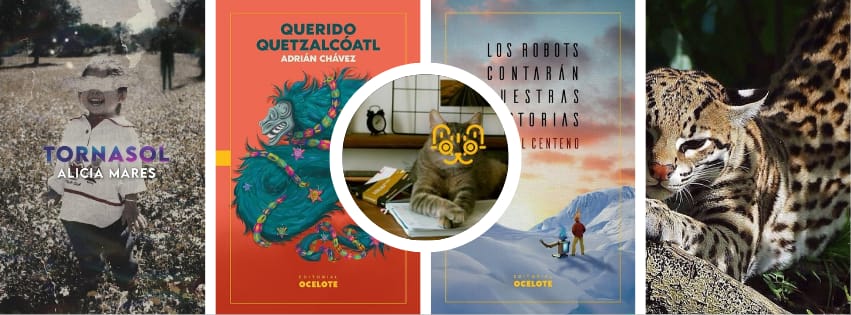
🐾 Do You Know Ocelote? A New Independent Mexican Publisher Worth Discovering
The ocelot is a carnivorous mammal and one of six species of wild cats native to Mexico. It’s important not to confuse it with the margay. Its scientific name is Leopardus pardalis, and its common name comes from the Nahuatl word océlotl. Medium-sized—between the jaguar and the jaguarundi—its coat features beautiful elongated rosette-like spots along its sides, with brown or black edges and black dots inside. Its ears are short, broad, and rounded.
The term “Ocelote” refers to this wild, striking feline that roams Mexico’s lush jungles and mountainous regions… but it’s also the name of a rising independent publisher based in León, Guanajuato.

Under the motto: “Read differently. Read independently. Read Ocelote“, this publishing house officially launched in 2024. With five published titles and more on the way, Ocelote aims not just to be another press but the literary voice of the Bajío region, Their books are carefully curated and beautifully crafted, showing they mean business. If you haven’t heard of them yet, here are three titles that will draw you into their world of spots and stories.

❃❃❃❃❃❃❃❃❃❃❃❃❃❃❃❃❃❃❃❃❃❃❃❃❃❃❃❃❃❃❃❃❃❃❃❃❃❃❃❃❃❃❃❃❃❃❃❃❃❃❃❃❃❃❃❃❃❃❃❃❃❃❃❃❃❃
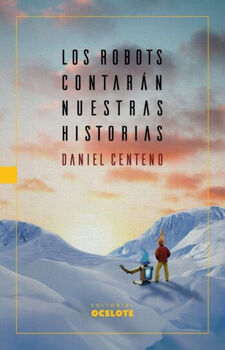
🤖 “The Robots Will Tell Our Stories” by Daniel Centeno
In this short story collection, Daniel Centeno leads the reader through a world where all humans have disappeared, and robots face their own decay. The central question becomes: in a world without humans, what does it mean to be human? These tales dive deep into the absurdity of automation and the tragedy of both artificial and human existence, imagining a future without us.
❃❃❃❃❃❃❃❃❃❃❃❃❃❃❃❃❃❃❃❃❃❃❃❃❃❃❃❃❃❃❃❃❃❃❃❃❃❃❃❃❃❃❃❃❃❃❃❃❃❃❃❃❃❃❃❃❃❃❃❃❃❃❃❃❃❃
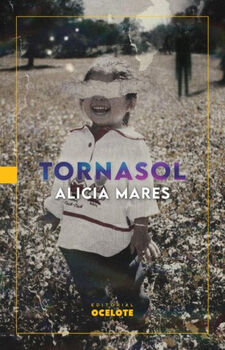
🌈 “Tornasol” by Alicia Mares
Alicia Mares, finalist of the XXXV Ana María Matute Women’s Narrative Prize and alumna of the Under The Volcano residency, offers a collection of nine chilling and poetic stories. Women and children—marked by grief—take center stage in eerie tales of horror, fantasy, and mystery, set in cold villages of Tlaxcala, the monarch butterfly sanctuaries of Michoacán, and the lonely highways of Veracruz. Through childhood memory, these stories recover wonder, healing, and even tenderness.
❃❃❃❃❃❃❃❃❃❃❃❃❃❃❃❃❃❃❃❃❃❃❃❃❃❃❃❃❃❃❃❃❃❃❃❃❃❃❃❃❃❃❃❃❃❃❃❃❃❃❃❃❃❃❃❃❃❃❃❃❃❃❃❃❃❃
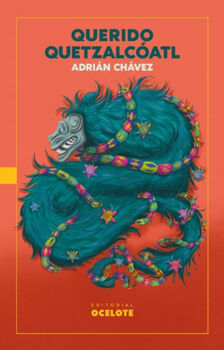
🐍 “Dear Quetzalcóatl” by Adrián Chávez
Adrián Chávez, translator and winner of the 2017 Juan García Ponce National Short Novel Prize, delivers a brilliant satire based on a real historical episode. In 1930, Mexican politician Pascual Orozco proposed replacing Santa Claus with Quetzalcóatl as a Christmas figure. In this novel, the Mesoamerican god begins to receive Christmas letters. With sharp wit, Chávez critiques Mexican culture, identity, and nationalism, asking us to reconsider the meaning of tradition itself.
❃❃❃❃❃❃❃❃❃❃❃❃❃❃❃❃❃❃❃❃❃❃❃❃❃❃❃❃❃❃❃❃❃❃❃❃❃❃❃❃❃❃❃❃❃❃❃❃❃❃❃❃❃❃❃❃❃❃❃❃❃❃❃❃❃❃
These three books are just the beginning — Ocelote is taking its first bold steps with exciting new projects on the horizon, including something as rare as… poetry! Yes, in these times. Join the wild ride and read Ocelote
Literature
Www.Lugasoft.Mx. (n.d.). Editorial Ocelote. Editorial Ocelote. https://ocelote.mx/
colaboradores de Wikipedia. (2025, November 2). Leopardus pardalis. Wikipedia, La Enciclopedia Libre. https://es.wikipedia.org/wiki/Leopardus_pardalis?utm_source=chatgpt.com%20″Leopardus%20pardalis”
Rocha, J. A. (2025, January 16). Descubre la nueva editorial “Ocelote”: Literatura del Bajío para el mundo. Periódico Correo. https://periodicocorreo.com.mx/vida-publica/2024/may/15/descubre-la-nueva-editorial-%20ocelote-literatura-del-bajio-para-el-mundo-99273.html?utm_source=chatgpt.com%20″Descubre%20la%20nueva%20editorial%20&
Writer: Ortiz Lorena
Editor: Flores Nayivi